
Forests cleared for fuel
Cutting trees for firewood and charcoal strips the land, dries up wetlands and speeds up soil erosion and desertification.
Climate change is already being felt in Ugandan homes and gardens. Our response starts in the kitchen: we turn crop waste into long-burning briquettes that save trees, cut smoke and create green jobs — and we back it with tree planting, solar energy and climate-smart farming.
Most families in our communities cook with firewood and charcoal. Every bag of charcoal means trees cut, and every smoky kitchen puts women and children at risk — while changing rains make farming harder each season.
Cutting trees for firewood and charcoal strips the land, dries up wetlands and speeds up soil erosion and desertification.
Open fires fill homes with smoke. Women and children, who spend the most time near the fire, breathe it in every day.
Longer dry spells and unpredictable rains threaten harvests, food security and household incomes for small-scale farmers.
As trees become scarce, charcoal costs more and firewood is found further away — eating into family budgets and time.
Maize stalks, husks and other crop residues that are usually burnt in the garden or left to rot become a clean, affordable cooking fuel — made locally, by local people.
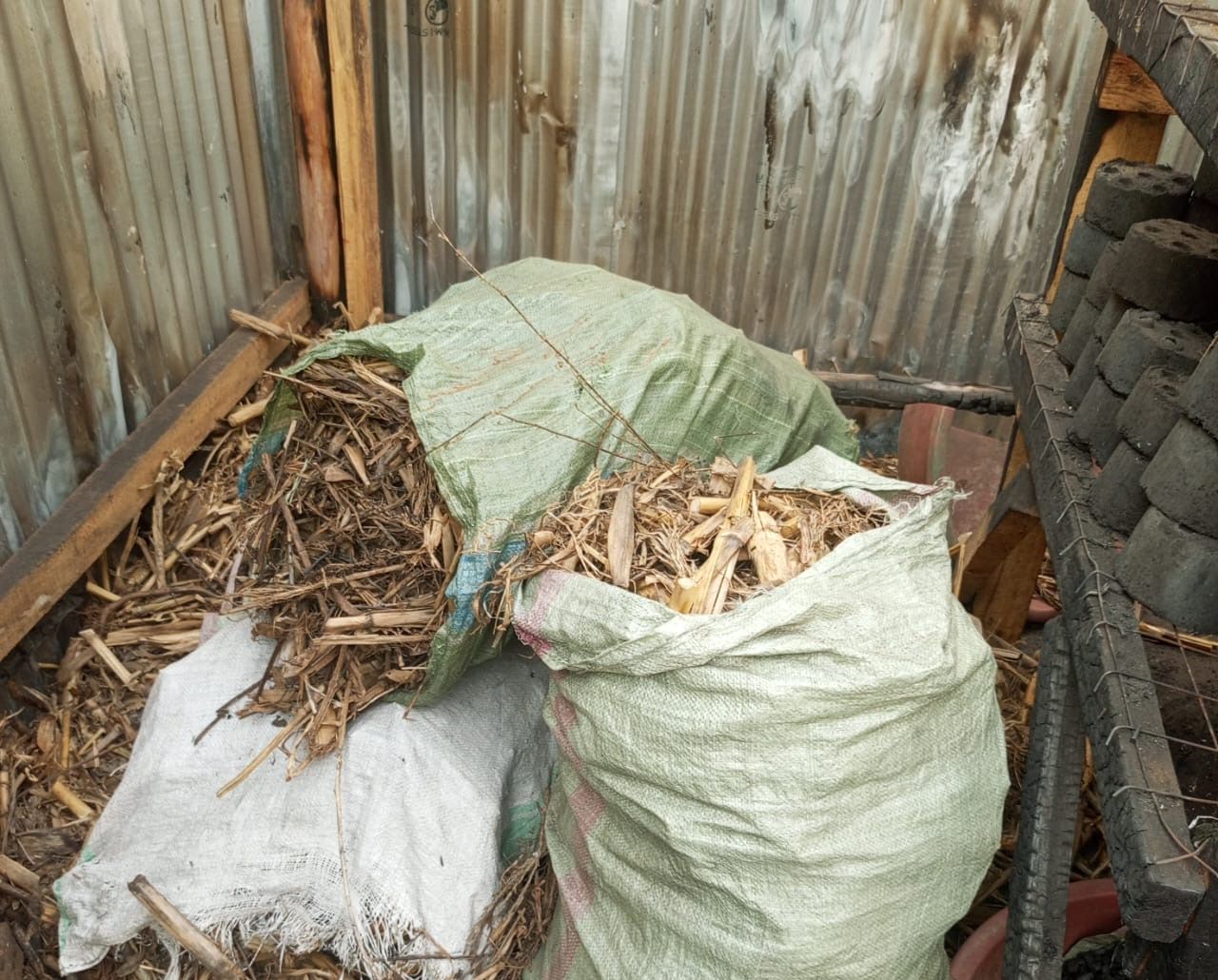
Farmers and youth gather dry maize stalks, husks and other crop residues that would otherwise be burnt or thrown away.
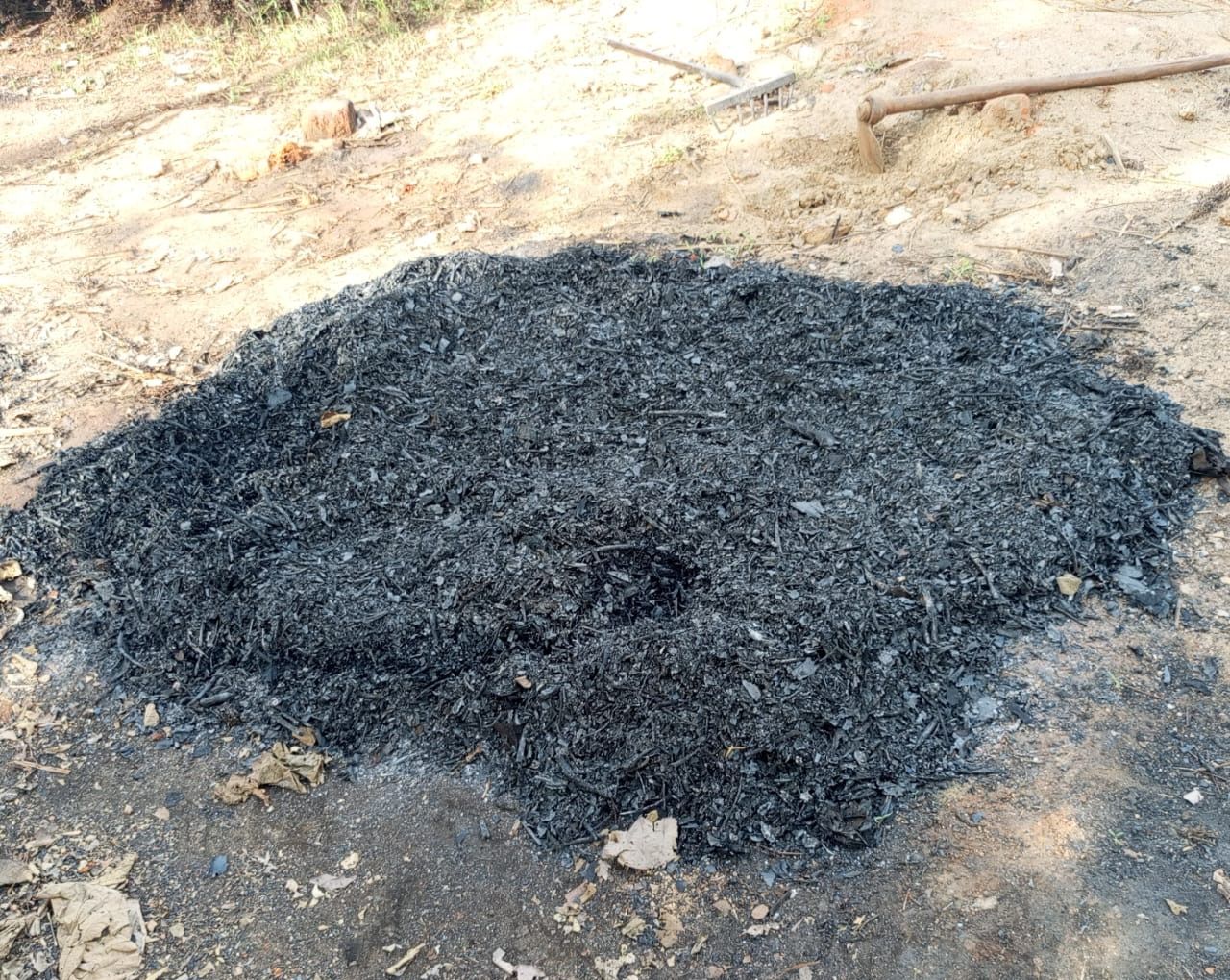
The residues are carbonised into char, then crushed into a fine powder — no trees are cut at any stage.
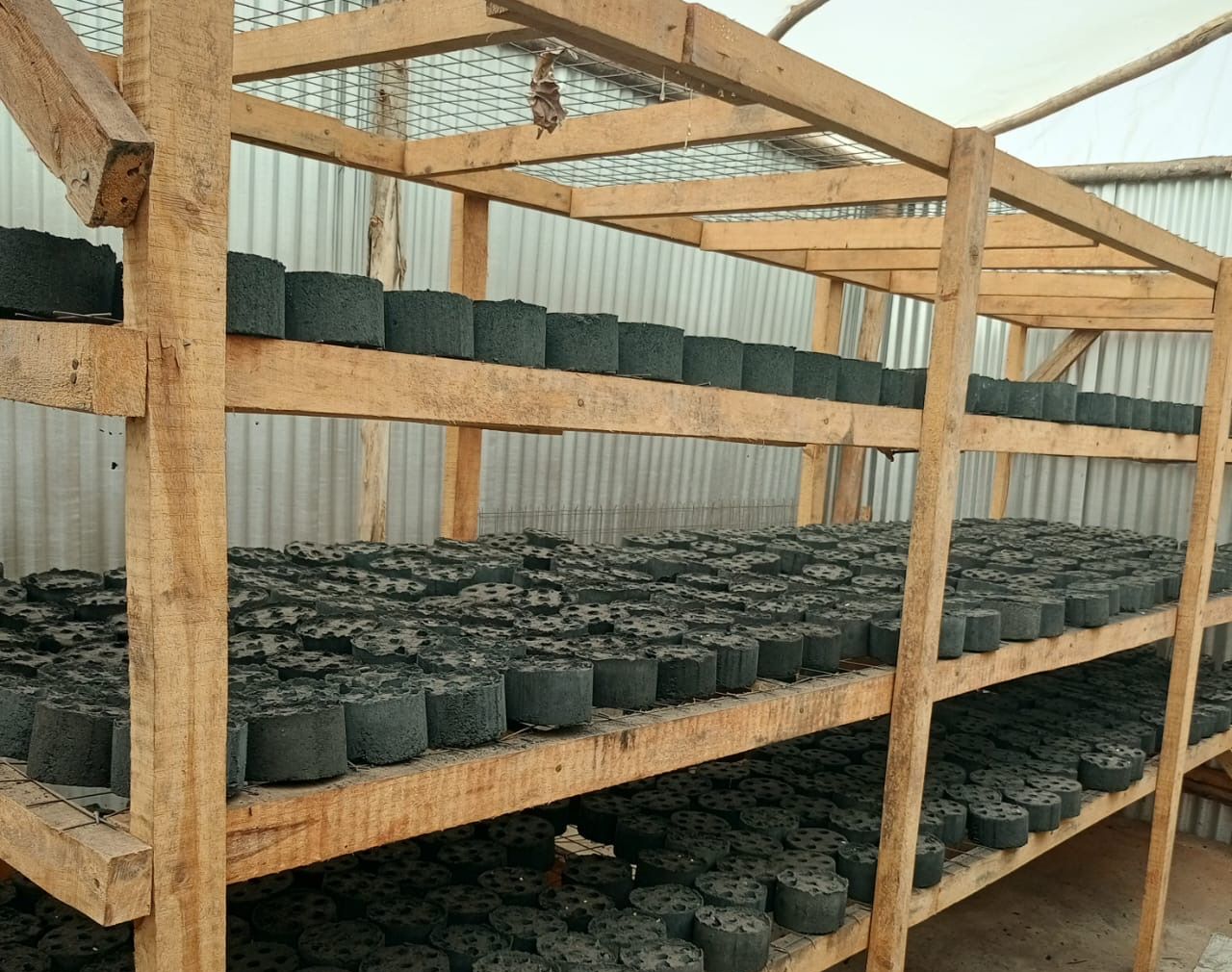
The char is mixed with a natural binder, pressed into round, multi-hole briquettes and dried on racks in our production shed.
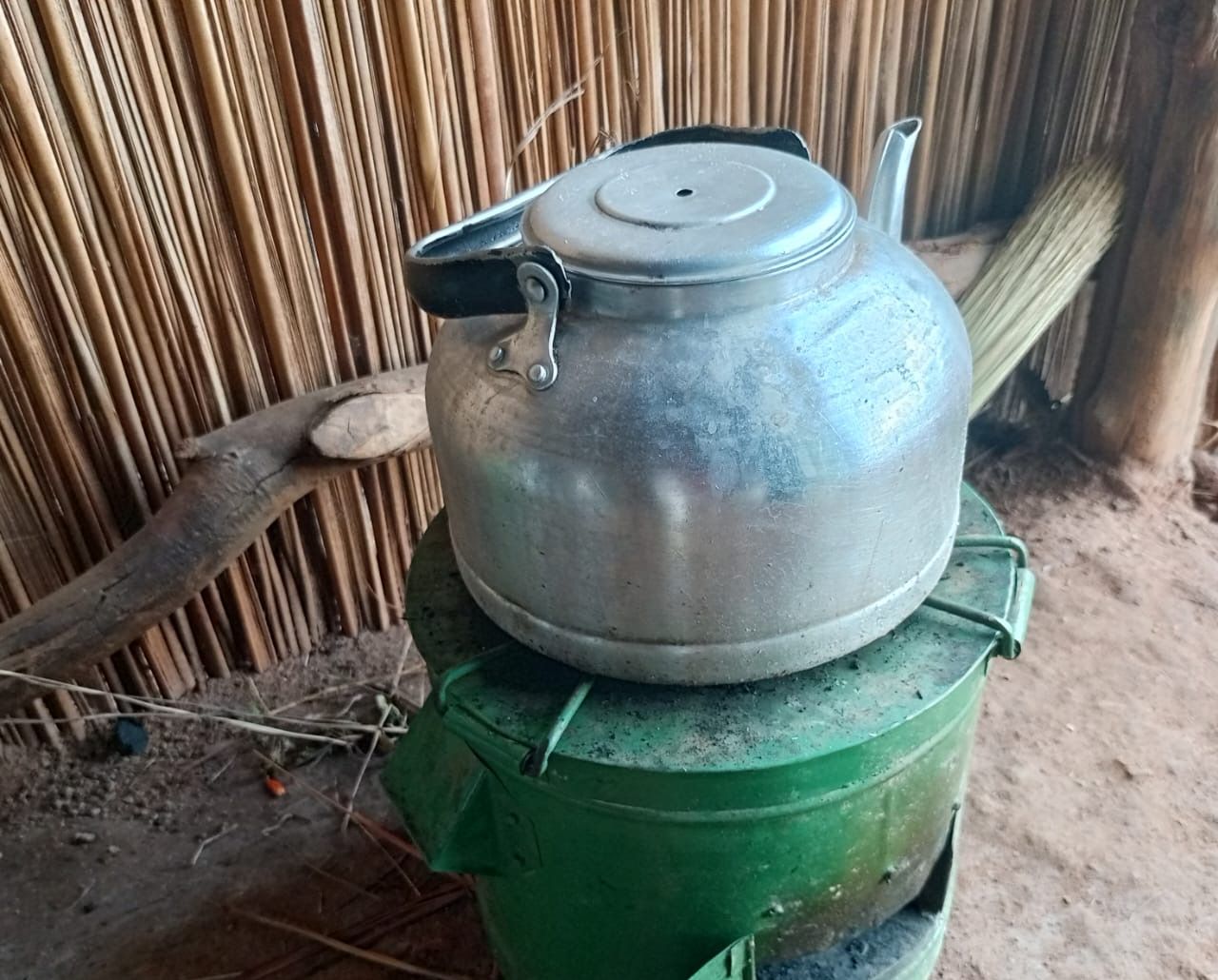
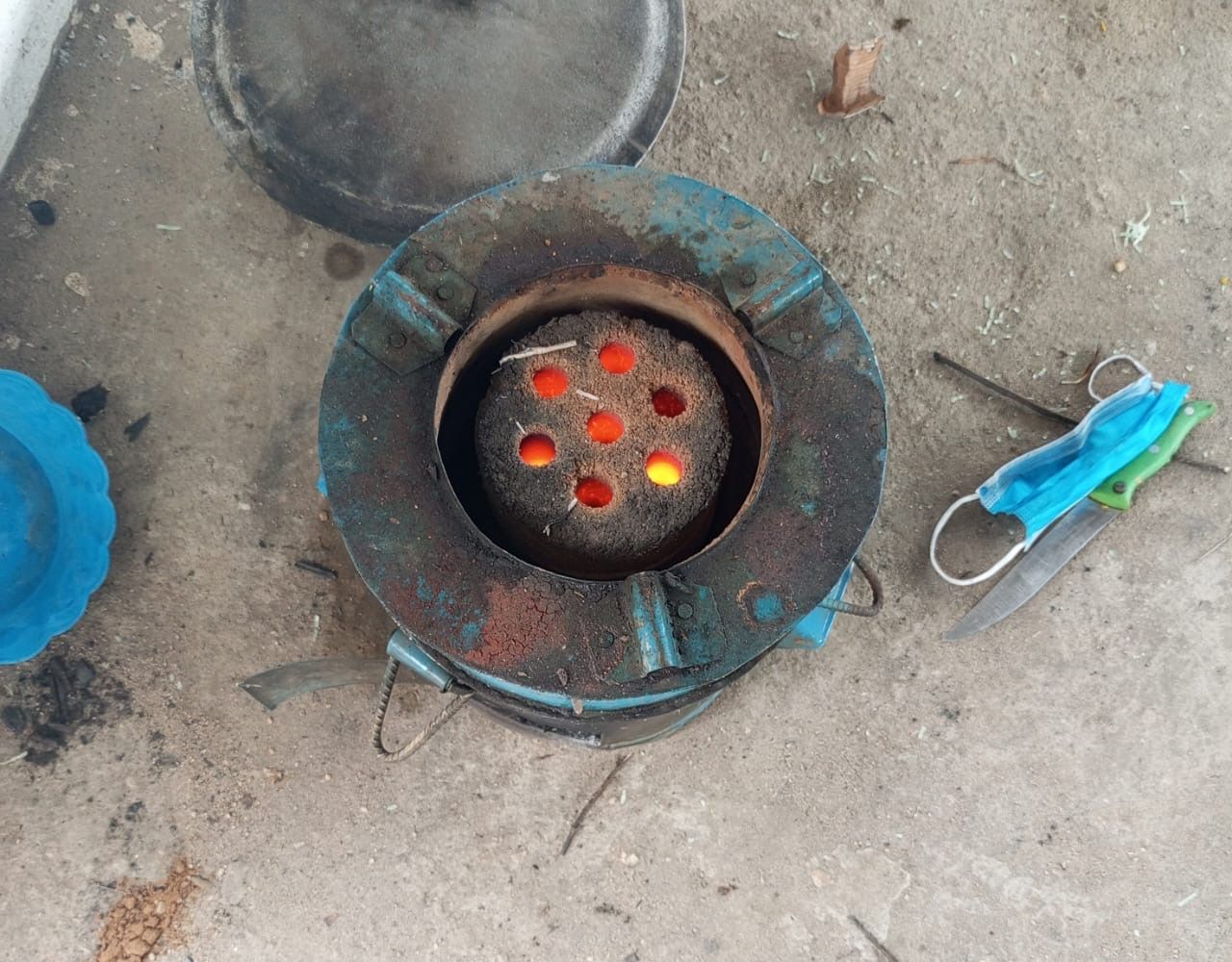
Families cook on energy-saving stoves with a steady, long-lasting heat — with less smoke and less money spent on fuel.
Every briquette is a small act of climate action that families can see, feel and afford.
Made from crop waste, not wood — easing pressure on forests and wetlands.
Garden residues become a product instead of smoke from open burning.
Less smoke than firewood, protecting the health of women and children.
A long, steady burn means less fuel bought and fewer hours collecting firewood.
Youth and women earn income making and selling briquettes in their own communities.
As a UNCCD-accredited organisation, we mainstream climate action across all our work — from the household garden to global negotiations.
With youth, schools and leaders we plant indigenous trees such as Mvule and Musizi, and fruit trees. Families in Kigolobya village, Hoima, now own woodlots for firewood.
In Yumbe (West Nile) we promote solar energy alongside briquettes, and communities in Kigolobya save together in groups to buy solar panels.
We teach families to use energy-saving stoves and introduce biogas, cutting firewood use and indoor smoke.
Agro-forestry, food trees, irrigation, soil health and drought-resilient crops such as sorghum help farmers cope with changing seasons.
Our PHE model shows how a household on limited land can meet its needs, restore degraded land and protect the environment.
About the PHE modelWe work with schools, churches and organisations to plant trees, recycle reusable materials and put young people at the centre of protecting the environment.
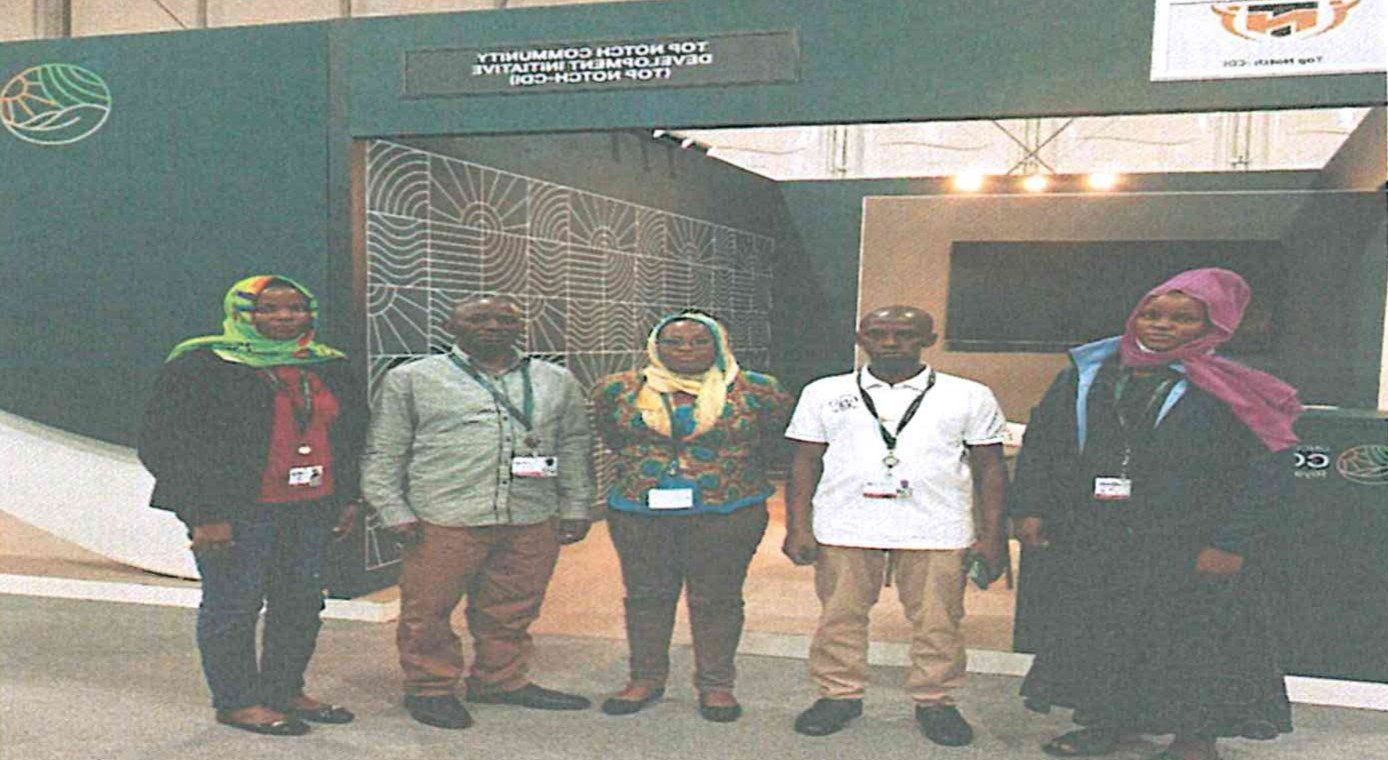
We are one of the few Ugandan CSOs accredited by the United Nations Convention to Combat Desertification. At COP16 in Riyadh (December 2024) our team shared community solutions with the world — and we continue to advocate for policies that conserve the environment and check climate change. We are also joining PELUM Uganda to support small-scale farmers through sustainable agriculture.
Buy briquettes for your home, school or institution, sponsor stoves for vulnerable families, or partner with us to train more youth in clean-energy enterprise.