Annual Report 2024
A public accountability and transparency document — our achievements, lessons and challenges for the year, and our recommendations for 2025.
From Kyenjojo to Riyadh
In 2024 we worked in Kyenjojo, Lira, Hoima and Wakiso districts, with activities at national level and participation in global events.
Most of our progress came through HIV prevention for adolescent girls, young mothers, infants and children in Kyenjojo, and through our participation in UNCCD COP16 in Riyadh, Saudi Arabia. We also built a youth skills department, continued our climate work and deepened partnerships with universities.
What we accomplished during the year
Reaching the Last Child
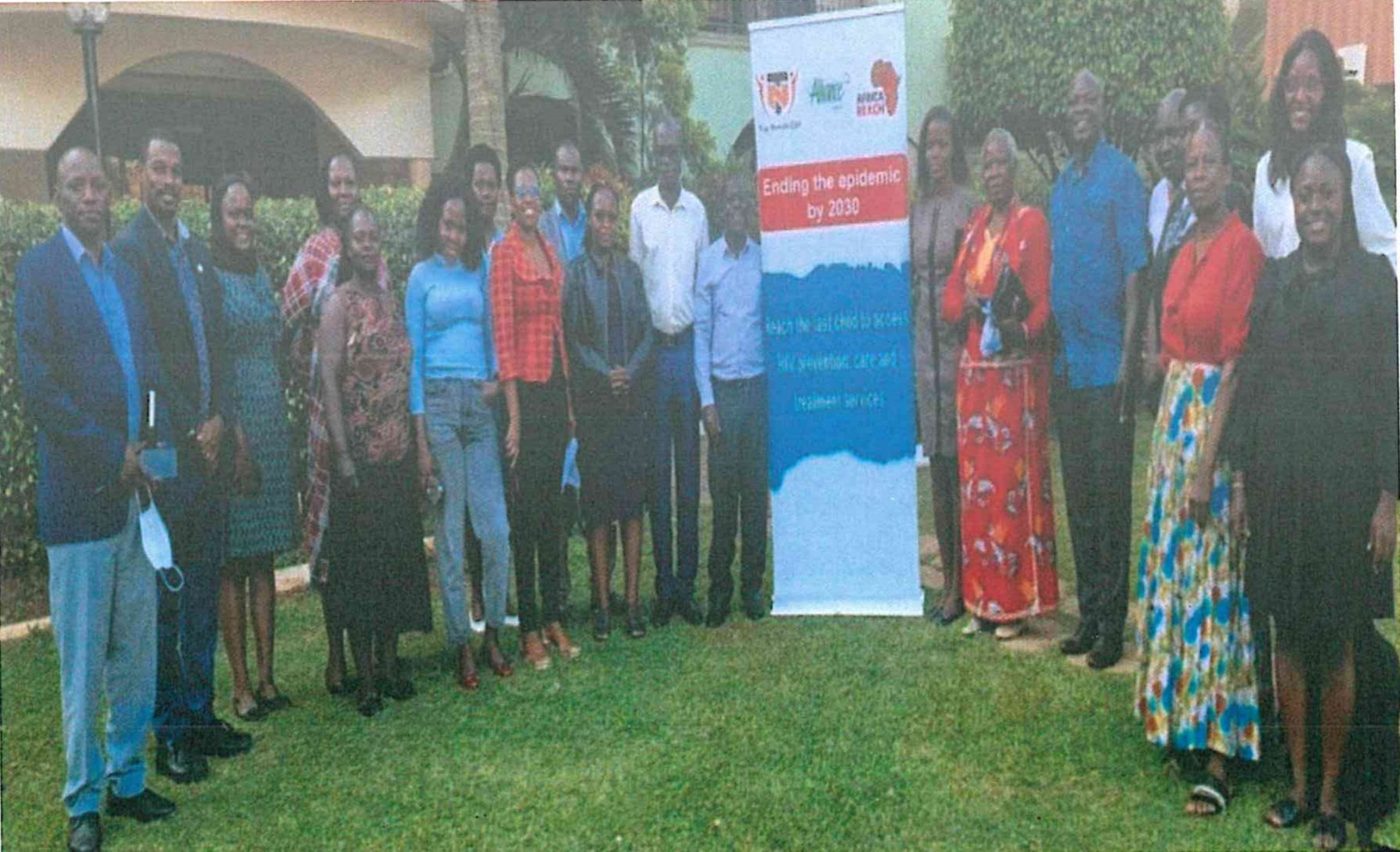
With CHAU and Africa Reach we implemented phase 1 of a project to reduce new paediatric HIV infections in Kyenjojo, increasing demand for prevention among adolescent girls and young women.
Community champions
40 champions from Mbale, Kigoyera and Kyarusozi sub-counties trained on eMTCT now link young women to health facilities and lead advocacy.
National policy dialogue
A high-level dialogue on the Universal Test and Treat policy in Kampala on 25 June 2024 recommended moonlight testing, stronger outreach and HIV education in schools.
World AIDS Day
Recognised and invited to share our HIV prevention work in Kyarusozi sub-county, where the district commended our work and committed to continue with us.
Day of the African Child
Member of the national organising committee for the celebrations in Kiryandongo, held at the district headquarters and in a refugee settlement on 15–16 June.
UNCCD COP16
One of the few UNCCD-accredited CSOs from Uganda, we presented our PHE model in Riyadh as participant and observer.
Climate action
Tree planting with youth, community woodlots in Kigolobya village (Hoima), group savings for solar panels and steps towards PELUM Uganda membership.
Youth skilling
A new youth skills department: shoemaking, beads, jelly, soap, tailoring and mushroom growing. 61 young people benefited (target: 120).
Universities & research
We hosted an intern from Bugema University, who completed his Bachelor's in project planning and management and supported our fundraising and the national dialogue.
Child safeguarding & PSHEA
Continued awareness sessions, support to child protection units, parental guidance, trained whistle-blowers and SHEA champions.
Uganda's PHE model at COP16, Riyadh
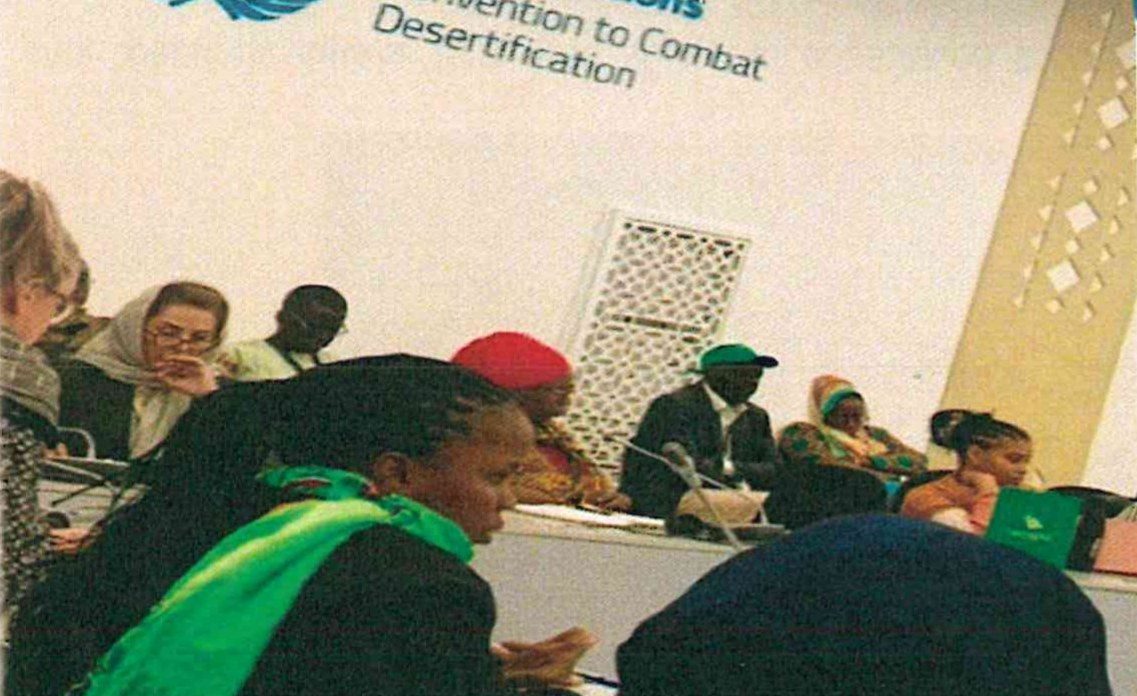
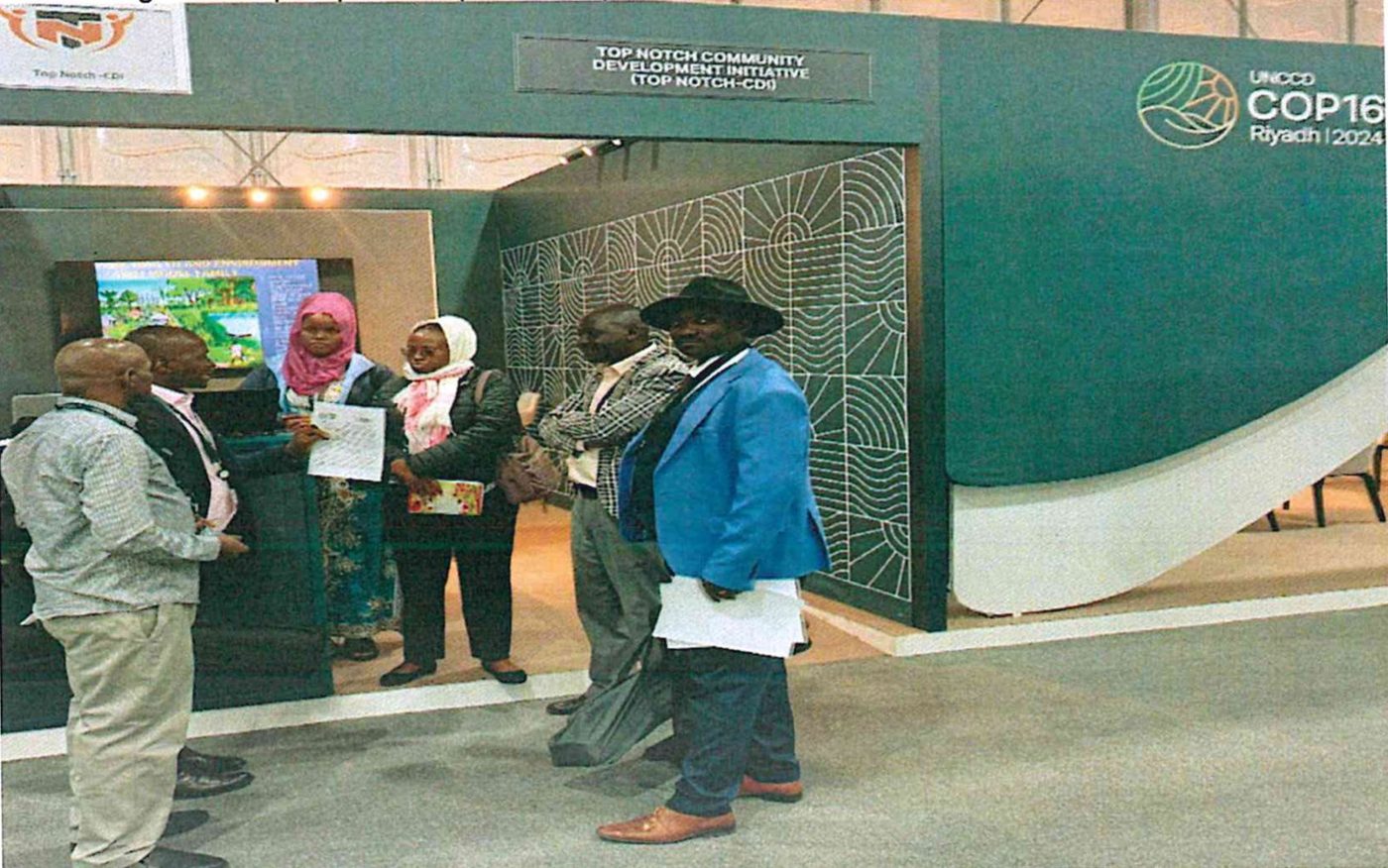
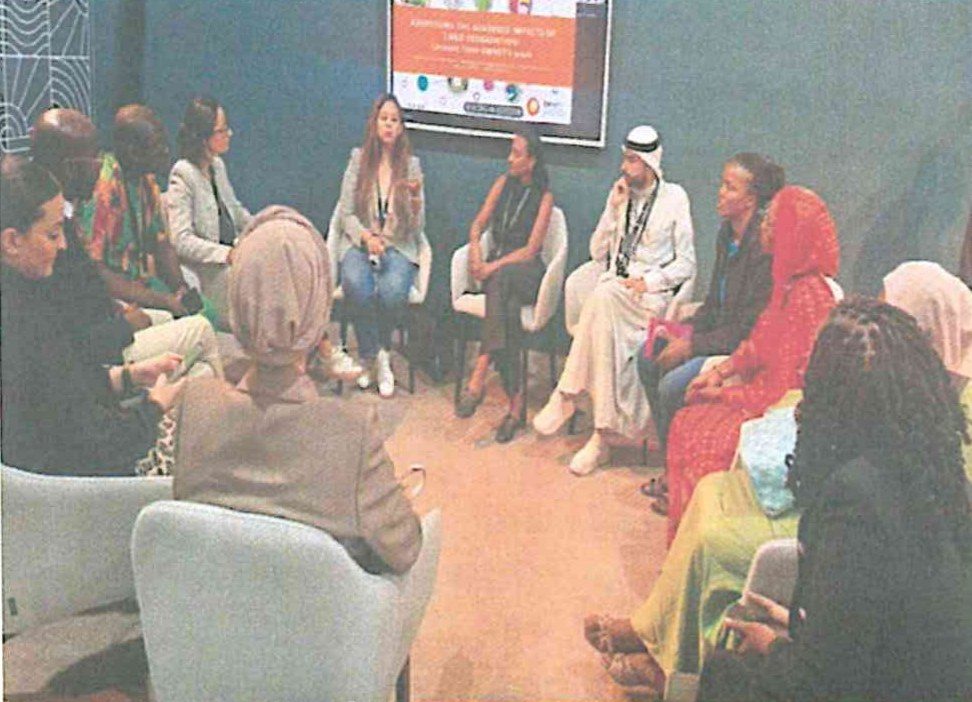
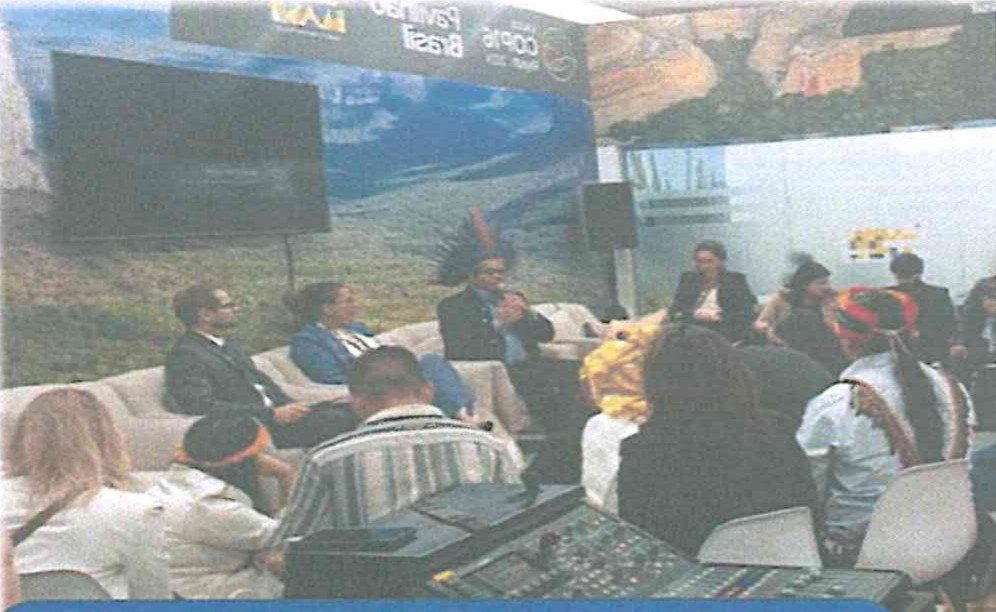
Five Top Notch-CDI staff took part in the UN Convention to Combat Desertification COP16 in Riyadh, Saudi Arabia, sharing our experience of combating desertification in Uganda.
Our stall showed how the Population, Health and Environment model balances community needs with protecting the environment. More than 80 international delegates visited, and our team took part in plenary sessions and side events.
- Greater visibility and networking, with new partnership prospects
- Shared lessons on drought resilience for food security
- A commitment to plant indigenous trees such as Mvule and Musizi, alongside fruit trees
- Putting young people at the centre of protecting the environment
Lessons, challenges & the way forward
Showing up matters
Taking part in local, national and international events boosted our visibility, built partnerships and developed our staff.
Community-led works
Actions led by adolescent girls and young women on HIV prevention awareness and advocacy maximised both impact and sustainability.
Partners multiply impact
Partners in our host districts strengthened local ownership, supported field offices, fundraising and communication, and built staff capacity.
Inadequate funding
Limited funding prevented us from fully implementing our interventions, especially on HIV prevention, climate change and community health needs.
Digital capacity
Limited capacity to adopt and use emerging digital technologies to maximise efficiency and effectiveness.
Expand HIV programming
With new infections still rising among young people, expand HIV prevention education and advocacy in Kyenjojo and beyond.
Grow economic empowerment
Seek funding to expand skilling for young people and women, building resilience to shocks such as poverty.
Strengthen climate work
Support communities to take up climate-friendly agriculture and clean energy.
Go digital
Identify partners and resources to strengthen internal systems through digital technologies.
Leadership & governance
The Board provided strategic oversight, mainly virtually, and approved a new organogram and salary structure, the 2025 work plan and reports. We had eight full-time staff, two part-time staff and two volunteers.
Monitoring, evaluation, adaptation & learning
The MEAL team held weekly, monthly and quarterly reviews, produced timely reports for management and the Board, and helped teams prepare abstracts for ICASA and COP16.
A year that ended positively
Most planned activities were achieved. Our work contributed to access to HIV testing and treatment, better adherence and a stronger local health system, with a strong commitment to children, adolescents and their families.
We remain committed to reviewing and adapting our plans, emphasising community ownership, impact and local sustainability, and learning from experience with the support of our partners.
Annual Report 2021/2022
A year of learning and laying foundations: volunteers recruited and inducted, field offices opened in Hoima, Lira and Rwampara, partnerships with CCYA, JEFORD and Wakisa Ministries, up to 50 funding proposals submitted and a baseline survey launched.
Walk the journey with us
Partner with us, volunteer your skills or support our work so that more vulnerable families in Uganda enjoy impactful, sustainable services.